
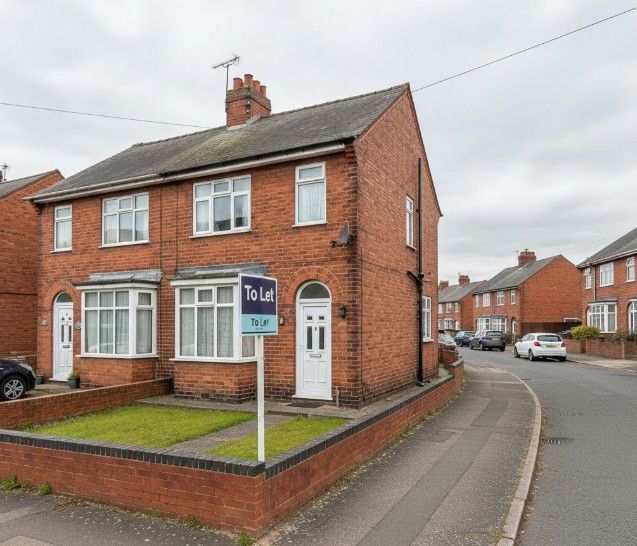
Buy-to-let houses and flats
Family houses and flats in areas with steady employment, where we check rental evidence, tenant demand and condition before a property reaches you.
Buy-to-let investment advice →Off-market, pre-market and auction property across the Midlands and the North, screened against your brief and presented with the full numbers. You buy in your own name, and our fee is due only on completion.
Liam Taylor has spent ten years renovating property and three sourcing it for investors, so every deal is checked by someone who can price the work as well as the rent.

Property deal sourcing means someone else does the finding, checking and negotiating on an investment property, and you buy it. You set the brief; we search, screen and present only the deals that stand up to the numbers, then help you through to completion. Our fee is paid only when a purchase completes.
The portals show everyone the same stock at the same time, and good investment property often goes within days. Much of what we find never reaches them, or reaches them after we have seen it. That is where the sourcing comes from:
The same six steps for every brief, from the first call to the day you own the property.
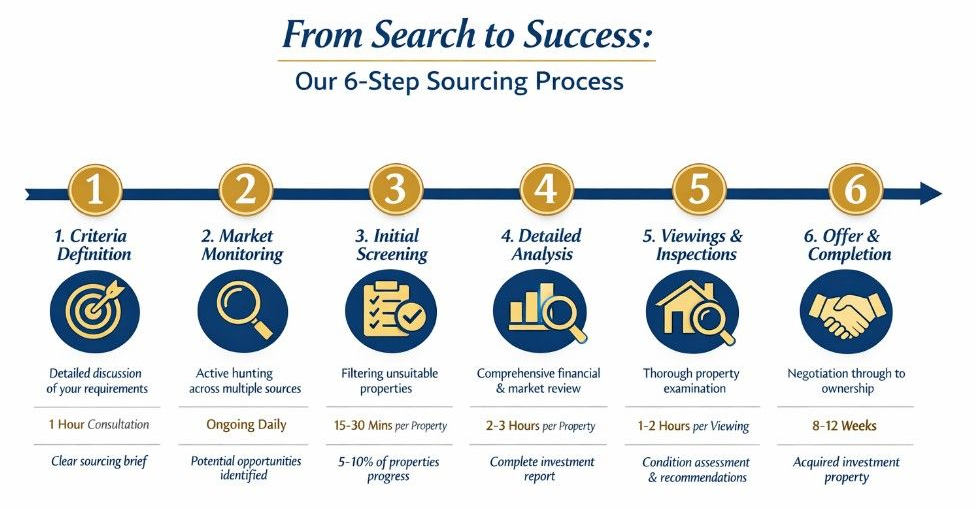
A consultation of up to an hour, usually by video call, covering your budget, target areas, property type, strategy, risk appetite and timescale. We write it up as a sourcing brief and agree it with you before searching.
We watch agent stock before it reaches the portals, auction catalogues, portfolio sales and motivated-seller situations in your chosen areas, every day the brief is open.
Each property is checked against local sold prices, rental demand, photographs, floor plans and the energy performance certificate. Most do not make it past this stage.
The ones that survive get a full financial and area review: comparables, achievable rent, purchase costs, repair estimate and the risks we can see.
We inspect room by room, photograph anything of concern and note the work each room needs, so the repair estimate comes from the property rather than a rule of thumb.
We agree an offer strategy with you based on how long the property has been marketed, any price reductions and what has actually sold nearby, then keep your solicitor, broker, surveyor and the selling agent moving until you own it.
Each property we present arrives as a deal pack, so you can check our working rather than take it on trust.
Plenty of sourcing adverts promise deep discounts. In practice, a seller rarely gives away a large slice of a property's value without a reason, and that reason is usually something you need to know: a short lease, structural work, a problem tenancy or a title issue. Genuine off-market discounts tend to be modest rather than dramatic.
What off-market and pre-market property reliably gives you is less competition and more time to check the deal properly. A discount is only as good as the comparable sales behind it, so we show you those sales and let you judge. The final test is your lender's valuation and your own survey.
The checks change with the strategy. These are the four we source most often.
Family houses and flats in areas with steady employment, where we check rental evidence, tenant demand and condition before a property reaches you.
Buy-to-let investment advice →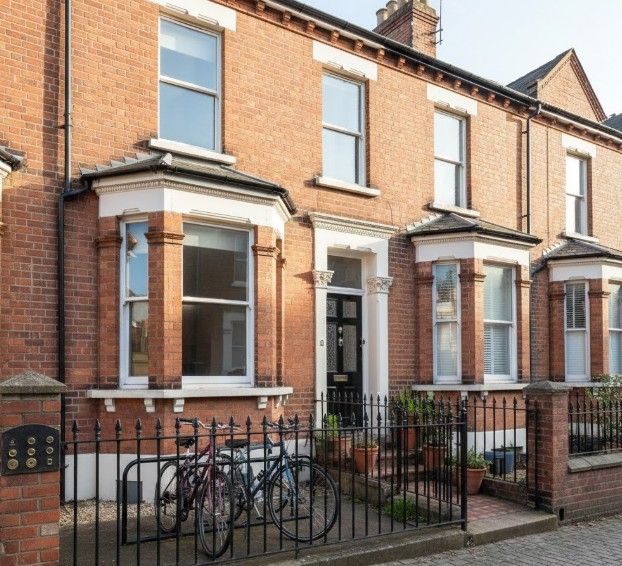
Ready-let, licensed HMOs first. We confirm the licence, the planning position where an Article 4 direction applies, and room sizes against the national minimums.
HMO investment →
Offices, shops and industrial units, where the lease matters as much as the building: its length, the tenant's strength and who pays for repairs.
Commercial property investment →
When a landlord sells several properties at once there can be a better price for a clean sale. We check every property in the bundle, not just the best one.
Ask about portfolio purchases →We also source serviced accommodation and lease option opportunities for experienced investors, checking local planning rules and lease restrictions on short-term letting before a property reaches you.
A tenanted property earns rent from the day you complete, but you take on the tenancy exactly as it stands. Since 1 May 2026, under the Renters' Rights Act, tenancies in England are periodic and Section 21 notices no longer exist, so the tenancy continues with you as the new landlord. Before you offer, we ask the seller for:
This is a general summary, not legal advice. Your solicitor will confirm the position on a specific property.
What you get from working with a small, hands-on sourcer.
Liam's renovation background is how damp, dated wiring, a tired roof or an awkward layout get priced before you offer, not after you own them.
The person who agreed your brief is the one who views the property and chases the sale through, so nothing gets lost between people.
Only a small share of the properties we look at get past screening. You see the ones that stood up to the numbers.
No fee if you do not buy. Terms are agreed in writing before we start, and you use your own solicitor and broker.
You deal with Liam Taylor throughout. For refurbishment and lettings after completion we introduce you to contractors and letting agents, and you contract with them directly.
Our briefs cover eight Midlands and northern cities, and the towns around them when a brief calls for it.
Tell us your budget, strategy and areas. We will tell you honestly whether we can find it, and roughly how long it should take.
Property deal sourcing is paying a specialist to find, check and negotiate an investment property for you. The sourcer searches on and off the portals, screens out weak deals and presents the ones that work with the numbers. You buy the property in your own name, and the sourcer is paid a fee, in our case only on completion.
The fee depends on the property's value and how much of the service you use, and it is set out in written terms before we start searching. You pay it only if a purchase completes. If you decide none of the properties we present are right, there is nothing to pay.
First opportunities usually arrive within two to four weeks of agreeing your brief. Narrow criteria, such as one small area or an unusual property type, can take six to twelve weeks. Once you offer, a typical purchase takes eight to twelve weeks to complete.
Some are, but genuine discounts are usually modest rather than dramatic. The bigger advantages of off-market and pre-market property are less competition and more time to decide. We show you the comparable sales so you can judge the price yourself, and your lender's valuation is the final test.
An estate agent works for the seller and is paid by them to get the best price. A sourcer works for you, the buyer, to find property that fits your brief and to negotiate the price down where the evidence supports it.
You are under no obligation to buy. Many investors look at several deals before one feels right, and turning down a property that does not suit you is part of the process, not a problem.
It helps. A mortgage agreement in principle from a buy-to-let broker shows what you can borrow and lets you move quickly when a good deal appears. We are not mortgage advisers, but we can introduce you to independent brokers.
Yes. We work with first-time and experienced investors. For a first purchase we usually suggest a straightforward buy-to-let in a stable area for a first purchase, and we explain every figure until you are comfortable with it.